

Registering a car in California is a crucial step for any new or existing vehicle owner, ensuring legal compliance and facilitating seamless ownership. However, the process can be intricate, often leaving owners confused about where to begin. This comprehensive guide aims to demystify the registration procedure, providing a clear roadmap for success. We’ll delve into every step, from gathering essential documents to utilizing reliable VIN verifiers, ensuring you navigate this process with confidence and accuracy. By the end, you’ll be equipped to register your vehicle smoothly and efficiently in the Golden State.
- Understanding California Car Registration Requirements
- Gather Necessary Documents for Registration
- How to Verify Vehicle Identity (VIN Verifier)
- Completing the Registration Application Process
- Finalizing and Obtaining Your California Registration Certificate
Understanding California Car Registration Requirements

Registering a car in California involves understanding stringent requirements designed to ensure vehicle safety and legitimacy on state roads. The process begins with gathering essential documents, including proof of ownership, identity verification, and current insurance. A crucial aspect unique to California is the requirement for all vehicles to undergo a Vehicle Identification Number (VIN) inspection using a reliable VIN verifier, such as a mobile VIN scanner, to confirm authenticity and previous accident history.
California’s Department of Motor Vehicles (DMV) mandates this step to combat fraud and ensure consumer safety. A mobile VIN verifier can be used at various stages—from initial purchase to routine renewals—making it accessible for both individuals and businesses. For instance, when buying a car from an individual, utilize a mobile app that checks the VIN against national databases to uncover hidden damage reports or potential odometer rollbacks. This proactive measure is as important as verifying insurance and driver’s licenses during the registration process.
Moreover, California has specific rules for various vehicle types, including classic cars, which may require additional documentation and inspections. Regular renewal processes should also incorporate mobile VIN inspection apps to keep records current and avoid any penalties. By adhering to these requirements, California car owners can ensure their vehicles meet safety standards while maintaining a transparent registration process that benefits both drivers and the state’s road administration.
Gather Necessary Documents for Registration

Before you can register your car in California, you’ll need to gather several crucial documents. These ensure a smooth process and compliance with state regulations. Key among these is the Vehicle Identification Number (VIN) – a unique code that verifies your vehicle’s authenticity. Utilizing a mobile VIN inspection or verification service can streamline this step, offering convenience and accuracy. Many services provide this through simple apps that transmit the VIN to a database, checking for matches against known vehicles worldwide.
For instance, California requires original equipment manufacturer (OEM) documentation, which includes the Certificate of Origin and Bill of Sale. If you’ve purchased your vehicle privately, obtain these from the seller. The VIN is typically found on these documents, or on the vehicle itself via a plate or sticker. It’s essential to have this information ready before proceeding with registration. Additionally, gather proof of insurance, which can be in the form of a policy document or digital copy, and ensure it meets California’s minimum liability requirements.
For classic cars or vehicles over 25 years old, additional documentation may be needed. Check with the California Department of Motor Vehicles (DMV) for specific guidelines. It’s also advisable to verify that any modifications to your vehicle meet legal standards, as they can impact registration and insurance costs. A mobile VIN verification service can help by cross-referencing your vehicle’s details against official databases, ensuring you have accurate information from the outset.
How to Verify Vehicle Identity (VIN Verifier)
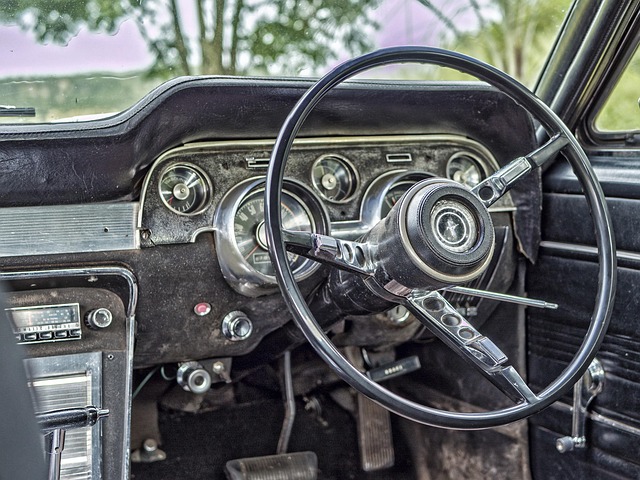
Verifying a vehicle’s identity through its Vehicle Identification Number (VIN) is a crucial step in the car registration process in California. This involves using a VIN verifier to ensure that the vehicle matches the information on record and hasn’t been reported stolen or had its history altered. A reliable method for this verification is through the use of a mobile VIN verifier, which allows for convenient, on-site inspections.
A mobile VIN inspection service leverages advanced technology to cross-reference the VIN data with comprehensive databases, providing instant access to a vehicle’s history. This includes details such as ownership records, accident reports, and maintenance logs. For instance, the California Department of Motor Vehicles (DMV) recommends using certified mobile VIN verifiers to streamline the registration process, ensuring both accuracy and efficiency. The accuracy rate for these digital verifications often exceeds 99%, making them a preferred method for professionals in the automotive industry.
When considering a mobile vin verifier, look for services that offer real-time updates and are compliant with California’s regulations. Additionally, ensure the provider has robust data security measures to protect sensitive vehicle information. By utilizing these advanced tools, you can simplify the registration process, reduce potential errors, and maintain the integrity of vehicle records in the Golden State.
Completing the Registration Application Process

Registering a car in California involves several steps, with careful attention required at each stage to ensure compliance with state regulations. Completing the registration application process is pivotal, demanding accuracy and specificity. Begin by gathering essential documents, such as your vehicle’s Certificate of Title (if applicable), proof of insurance, and identification. The Vehicle Identification Number (VIN) plays a critical role; accurate VIN verification ensures that the vehicle matches the details provided. Utilize a reliable mobile VIN verifier to cross-reference the data against official databases, ensuring the vehicle’s history is clean and unaltered.
Next, fill out the California Registration Application form meticulously. This includes providing detailed information about the vehicle, such as make, model, year, and color, along with personal data for the owner(s). Double-checking each entry for errors or omissions is paramount to avoid delays in processing. Once the application is complete, submit it along with all required documents to a California Department of Motor Vehicles (DMV) office. Alternatively, you can utilize online services for a smoother experience, allowing you to upload documents and track the status of your registration digitally.
For added convenience, consider availing of mobile VIN verification services during this process. These services offer real-time, on-site checks, ensuring the vehicle’s details are current and accurate. This is particularly useful when buying a used car, as it helps verify that no hidden issues exist on the vehicle’s history report. By incorporating these best practices, you streamline the registration application process, minimizing potential challenges and ensuring your California vehicle registration proceeds efficiently.
Finalizing and Obtaining Your California Registration Certificate

After completing your California car purchase, the next crucial step is finalizing and obtaining your registration certificate. This process involves a thorough inspection of your vehicle’s Vehicle Identification Number (VIN), ensuring its authenticity and accuracy. A VIN verifier, whether mobile or stationary, plays a critical role in this verification process. In California, it’s essential to use trusted services that can perform a comprehensive VIN inspection, including checking for any reported accidents, outstanding titles, and potential fraud.
One of the primary advantages of employing a mobile VIN verification service is its convenience. You can conduct this critical step right from your location, eliminating the need for an in-person visit to a registrar’s office. This method saves time and effort, especially when you’re dealing with out-of-state purchases or rare vehicle models that may require specialized knowledge for accurate verification. Many reputable services offer real-time data access, enabling you to make informed decisions about your car’s history and ensuring compliance with California’s registration requirements.
Additionally, having a mobile VIN verifier on hand can streamline the process of transferring ownership. When selling your vehicle, a quick and accurate VIN inspection can provide peace of mind to both parties. For buyers, it offers transparency regarding the car’s past, while sellers can confidently demonstrate that they’ve disclosed all relevant information. This level of scrutiny is essential in today’s digital era, where even subtle details about a vehicle’s history can have significant implications. By leveraging technology like mobile VIN verifiers, California drivers can ensure a smooth and secure registration process.
By meticulously following California’s car registration requirements, from understanding essential documents to utilizing a VIN verifier for vehicle identity verification, you can efficiently navigate the registration process. Completing the application, finalization, and obtaining your certificate ensures not only legal compliance but also provides peace of mind regarding your vehicle’s authenticity. This authoritative guide equips readers with practical knowledge, empowering them to securely register their vehicles in California with confidence.