

Registering a car in California is a vital step for any new owner, ensuring legal compliance and ownership protection. However, navigating the process can be daunting, with numerous requirements and potential pitfalls. From gathering necessary documents to understanding fee structures, many find it confusing. This article serves as your comprehensive guide, offering step-by-step instructions to streamline the registration journey. We’ll delve into every aspect, including utilizing the DMV’s VIN verifier, to ensure a smooth experience. By following these expert tips, you’ll confidently navigate California’s car registration process.
- Prepare Required Documents for Car Registration
- Visit California DMV: Steps and Procedures
- Verify Vehicle Identification Number (VIN) Accurately
- Complete Application Form with Correct Information
- Pay Registration Fees and Receive Your Certificate
Prepare Required Documents for Car Registration

Before you can register your car in California, ensuring you have all the required documents is crucial. The California Department of Motor Vehicles (DMV) requires specific papers to verify ownership and vehicle identity, with a particular focus on the Vehicle Identification Number (VIN). One critical step is using a DMV VIN verifier or a mobile VIN verification service to check the vehicle’s history, ensuring it’s not stolen or has any outstanding issues.
For instance, when purchasing a used car, a mobile VIN verifier can help you verify the vehicle’s title and accident history before finalizing the registration. This process involves scanning the VIN and comparing it against national databases to yield detailed information about the car’s past, including ownership changes, repair records, and reported accidents. Many online tools and apps offer mobile VIN inspection services that are both accessible and convenient for California residents.
Additionally, gather essential documents like your driver’s license, proof of insurance, and current vehicle registration (if applicable from another state). It’s also wise to check if there are any local requirements or additional forms needed, as specific counties within California might have their own guidelines for car registration. Proper preparation of these documents streamlines the registration process and ensures a smoother experience at the DMV.
Visit California DMV: Steps and Procedures
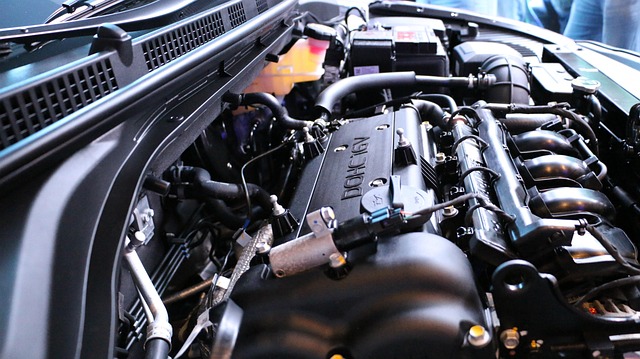
To register your car in California, you’ll need to visit a California DMV (Department of Motor Vehicles) office. This process involves several steps, from gathering necessary documents to ensuring your vehicle meets safety and emission standards. The DMV offers both in-person and mobile vin inspection services, including a mobile vin verifier, to make the registration process as convenient as possible.
First, gather all required documents such as proof of ownership (or a bill of sale), valid identification, and any necessary registration fees. You’ll also need your vehicle’s Vehicle Identification Number (VIN) for reference. The DMV offers a digital VIN verifier that you can access online or through their mobile app, making it easy to ensure your vehicle’s history is clean. Once all documents are in order, visit a local DMV office. Bring along your completed application form and any additional paperwork requested by the DMV staff.
During your visit, a DMV representative will review your documentation, perform a visual inspection of your vehicle, and verify your VIN using one of their mobile vin verification tools. They may also check for outstanding warrants or recalls on the car. After all details are confirmed, you can proceed with the registration process, which involves submitting your application, paying the fees, and receiving your new registration papers. Remember to update your insurance policy and vehicle registration in your personal records after completion of the process.
For those unable to visit an office, the DMV offers mobile vin inspection services, allowing for a more flexible experience. These services utilize mobile vin verifiers to streamline the verification process, ensuring convenience while maintaining accuracy. This approach is particularly beneficial for individuals with busy schedules or accessibility challenges.
Verify Vehicle Identification Number (VIN) Accurately

Registering a car in California involves meticulous steps to ensure compliance with state regulations. One critical aspect often overlooked is verifying the Vehicle Identification Number (VIN) accurately. The VIN is a unique code that identifies your vehicle and plays a pivotal role in the registration process. It’s not just about matching the number; it entails using approved methods, such as those provided by the California Department of Motor Vehicles (DMV) or trusted mobile vin inspection services.
Inaccurate VIN reporting can lead to significant issues down the line, including delays, fines, or even rejection of your registration application. The DMV offers a dedicated vin verifier tool that allows you to cross-reference and validate the information against their records. Alternatively, opting for a mobile vin verification service streamlines the process. These services utilize advanced technology for VIN inspection, ensuring accuracy and convenience. For instance, professional inspectors can remotely verify the VIN with just a few details from your vehicle’s documents.
Considerable time and effort can be saved by leveraging these official channels for VIN verification. Whether you’re a first-time car owner or transferring ownership, getting this step right is essential. Always ensure that the VIN on your registration forms matches precisely with what’s inscribed on the vehicle’s chassis. This attention to detail not only helps in a smooth registration process but also ensures your vehicle remains legally compliant throughout its lifespan in California.
Complete Application Form with Correct Information

Registering a car in California involves several steps, and one of the critical initial actions is completing the Application Form accurately. This process ensures your vehicle complies with state regulations and establishes legal ownership. The form requires meticulous attention to detail, particularly regarding the Vehicle Identification Number (VIN) data. It’s crucial to enter the VIN correctly as it serves as a unique identifier for your car and facilitates efficient registration and future mobile vin verification or inspection.
The California Department of Motor Vehicles (DMV) emphasizes the importance of accurate information, especially during mobile vin verification processes. They recommend double-checking the VIN against the vehicle’s title and registration documents before inputting it into their systems. Moreover, when dealing with used vehicles, ensuring a valid and consistent VIN history is essential to prevent fraud. For instance, a recent study revealed that approximately 1 in every 500 vehicles may have a falsified or altered VIN, highlighting the need for meticulous record-keeping and cross-referencing during registration.
To ensure a smooth process, consider using official DMV resources to validate your VIN before submission. The mobile vin inspection services offered by authorized agencies can verify the number’s authenticity and consistency across databases. For instance, some apps now facilitate this by scanning the VIN via smartphone, providing instant feedback on its accuracy and any potential issues. By incorporating these measures into your registration routine, you not only streamline the process but also enhance the integrity of California’s vehicle record-keeping system.
Pay Registration Fees and Receive Your Certificate

To complete the registration process, you’ll need to pay the required registration fees and receive your Certificate of Registration from the California Department of Motor Vehicles (DMV). The fees vary based on the type of vehicle and its age. For most cars, the fee ranges from $50 to $250. This includes a $25 safety inspection that checks lights, brakes, tires, windshield wipers, and other critical components. The DMV offers several payment methods, including credit cards, debit cards, cash, and check. It’s essential to ensure all fees are paid in full before proceeding.
One efficient way to facilitate this process is by utilizing a mobile VIN verifier. This tool allows you to verify your vehicle’s history and identify any potential issues that might impact registration or insurance costs. By combining the results of a mobile VIN verification with the official DMV inspection, you can make informed decisions about repairs and ensure a smoother registration experience. For instance, if the mobile vin inspection reveals an issue with the vehicle’s emissions system, you can address it proactively, preventing potential delays at the DMV.
After successfully completing the payment and inspection, the DMV will issue your Certificate of Registration, also known as a “pink slip.” This document serves as proof of registration and must be kept in your vehicle at all times. It’s advisable to keep digital copies as well, just in case you need to access it remotely. Additionally, consider setting reminders for future registration renewals to avoid any penalties or interruptions in your vehicle’s legal status.
Registering a car in California involves a straightforward process, but meticulous attention to detail is crucial. Key takeaways include preparing all necessary documents, accurately verifying the Vehicle Identification Number (VIN) using a trusted dmv vin verifier, completing application forms with precise information, and paying the required fees. By following these steps and adhering to the guidelines outlined in this article, you can ensure a seamless registration experience, granting you legal access to California’s roads. This comprehensive approach empowers individuals to navigate the process confidently, confirming their vehicle’s authenticity and compliance with state regulations.