
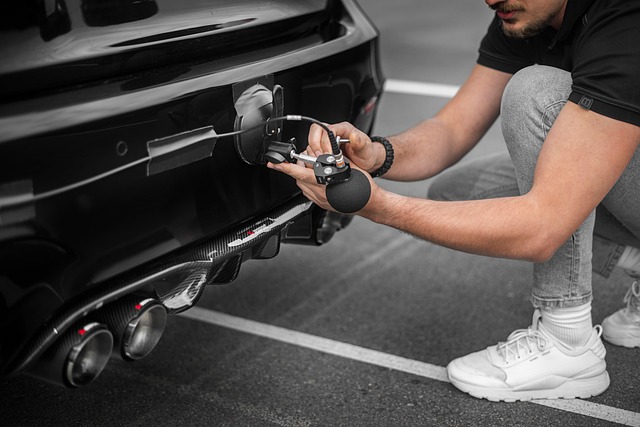
Registering a car in California is a critical step for any new owner, ensuring legal compliance and vehicle protection. However, navigating the process can be challenging, especially with ever-changing regulations. This comprehensive guide aims to demystify the procedure, offering expert insights on every step, from gathering essential documents to utilizing reliable tools like the DMV VIN verifier. By the end, you’ll have a clear understanding of how to register your vehicle smoothly and accurately.
- Gather Necessary Documents for Car Registration
- Prepare Your Vehicle's VIN (Vehicle Identification Number)
- Visit a California DMV Location or Use Online Services
- Complete the Registration and Title Application Process
- Finalize with Inspection and Obtain Your Vehicle's Plate
Gather Necessary Documents for Car Registration

Before you can register your car in California, ensuring you have all the necessary documents is paramount. This process involves gathering crucial paperwork, including proof of ownership, vehicle identification number (VIN) inspection, and valid identification. One efficient method to obtain a VIN inspection is through a mobile VIN verifier, which allows for convenient and accurate verification right from your location.
In California, you’ll need to present a completed Vehicle Registration Application, along with the following: a current vehicle title, proof of insurance, and a valid driver’s license or state ID. A key document in this process is the vehicle’s VIN, which serves as a unique identifier. Here’s where a mobile VIN verifier comes into play; it enables you to capture and transmit the VIN accurately, eliminating potential errors during data entry at the California Department of Motor Vehicles (DMV). This technology is especially beneficial for those with hard-to-read or faded VINs on their vehicles’ registration documents.
It’s important to note that the DMV offers both online and in-person registration options. Online registration requires you to input your VIN through a secure portal, which is facilitated by a mobile VIN verifier or similar inspection tool. This digital approach streamlines the process, reducing potential delays caused by handwritten entries. By utilizing these modern verification methods, you can ensure a smoother car registration experience in California.
Prepare Your Vehicle's VIN (Vehicle Identification Number)
Before you register your car in California, it’s crucial to ensure your vehicle is prepared with accurate and up-to-date information. One vital step in this process involves verifying or documenting your Vehicle Identification Number (VIN). The VIN is a unique code that identifies your car, and having an accurate record of it is essential for a smooth registration experience. Many Californians opt for convenient mobile vin inspection or mobile vin verification services to simplify this task. These services utilize specialized tools and technology to swiftly capture and confirm the VIN data right from your smartphone or tablet.
In California, the Department of Motor Vehicles (DMV) relies on accurate VIN information for various purposes, including ensuring vehicle safety and preventing fraud. A correct VIN not only speeds up registration but also plays a critical role in tracking vehicle history and identifying genuine parts during repairs or sales. To ensure compliance, it’s recommended to use a trusted mobile vin verifier that can provide instant, official reads. These verifiers often integrate with the DMV’s systems, ensuring your data is accurately captured and reducing potential errors.
For instance, many mobile apps offer not only VIN verification but also additional services like vehicle history reports and maintenance reminders. Some even allow you to compare local dealership prices for parts and repairs. By leveraging these modern tools, California residents can ensure their vehicles are properly registered while accessing valuable insights into their car’s history and condition. This proactive approach not only simplifies the registration process but also fosters a culture of responsible vehicle ownership.
Visit a California DMV Location or Use Online Services

Registering a car in California involves several steps, one of which is visiting a California DMV (Department of Motor Vehicles) location or utilizing their online services. For those who prefer the traditional method, a trip to a local DMV office remains an option. This approach allows for face-to-face interaction with a representative who can assist with any questions or issues that may arise during the registration process. However, many residents opt for the convenience and efficiency of online registration, which can be completed entirely from home.
One significant advantage of using the DMV’s online services is the availability of a mobile VIN (Vehicle Identification Number) verifier. This tool enables users to input their VIN and have it cross-referenced against the state’s records to ensure its authenticity and accuracy. Mobile VIN verification offers several benefits, including saving time, avoiding potential errors that could delay registration, and providing peace of mind. For instance, some online services allow for real-time updates on inspection status, ensuring that your vehicle meets all necessary safety standards before finalization.
Additionally, the DMV’s website facilitates document submission digitally, streamlining the entire process. Users can upload required forms and photos electronically, reducing the need for physical paperwork and in-person visits. This digital approach not only enhances convenience but also contributes to environmental sustainability by minimizing paper waste. It’s important to note that while online registration is efficient, certain transactions may still require an in-person visit, such as when issuing a replacement license plate or resolving issues with existing registrations. Thus, a combination of both methods can offer the best experience for California car owners.
Complete the Registration and Title Application Process
Registering a car in California involves a meticulous process, and one crucial step is completing the Registration and Title Application. This procedure ensures that your vehicle complies with state regulations and allows you to legally operate it on California roads. The first action is to gather all necessary documents, including proof of ownership, which can be achieved through a vehicle history report obtained from a service like the DMV VIN verifier. This report verifies the car’s identity using its unique Vehicle Identification Number (VIN), a process known as mobile VIN inspection or verification, ensuring the vehicle’s history is accurate and free from discrepancies.
Once you have your documentation, visit a California Department of Motor Vehicles (DMV) office or utilize their online services to apply for registration. The application form will require detailed information about your vehicle, including its make, model, year, and VIN. It’s essential to ensure all details are correct, as even minor errors can delay the registration process. During this phase, the DMV may also conduct a mobile VIN verification or inspection to cross-reference the provided data with their records, further emphasizing the importance of accurate documentation.
After submitting your application, you’ll typically need to pay a registration fee and possibly additional taxes, depending on your vehicle’s classification and age. Once processed, the DMV will issue a registration certificate and a new title, reflecting your vehicle’s ownership and registration status. This comprehensive approach ensures that California’s roads are safe and well-regulated, providing a seamless experience for both new and existing vehicle owners.
Finalize with Inspection and Obtain Your Vehicle's Plate

After completing your California vehicle registration application at the DMV or online, the final step involves finalizing the process with an inspection. This critical stage ensures your car meets safety standards and identifies any potential issues before hitting the road. The key element here is a thorough Vehicle Identification Number (VIN) inspection, which verifies the vehicle’s authenticity and condition.
In California, you can opt for a traditional static VIN inspection at a designated DMV location or explore more convenient alternatives like mobile VIN inspections. Mobile verifiers bring the process to your convenience, whether it’s at home or work. This flexibility is particularly beneficial for busy individuals who appreciate saving time. Some third-party services even offer remote digital inspections using advanced technology, ensuring accuracy from afar. For instance, these mobile VIN verifiers scan and transmit data on engine specifications, historical maintenance records, and any reported accidents, providing a comprehensive snapshot in minutes.
When choosing an inspection method, consider factors like convenience, cost, and the level of detail required. While a basic visual check is useful, a comprehensive digital verification using a mobile VIN verifier can provide added peace of mind. It’s essential to ensure your vehicle passes this inspection before obtaining its license plate. By utilizing these modern tools, you streamline the registration process, ensuring your car is not only legally registered but also safe for California’s roads.
Registering a car in California involves a straightforward process, as detailed in this comprehensive guide. Key insights include gathering essential documents, verifying your vehicle’s VIN using a DMV vin verifier, and completing applications either in person at a California DMV location or online. The final steps encompass inspection and plate issuance. By diligently following these procedures, drivers can ensure their vehicles are legally registered, facilitating smooth operation on California’s roads. This authoritative guide equips readers with the knowledge needed to navigate the process efficiently and confidently.