

Registering a car in California is a vital step for any new owner, ensuring legal compliance and protecting your investment. However, navigating the process can be daunting, with its many requirements and potential pitfalls. This comprehensive guide aims to demystify the registration journey, empowering California residents to smoothly transition from new owner to responsible driver. We’ll outline each step, emphasizing the importance of accurate documentation and providing valuable insights on using a VIN verifier to ensure your vehicle’s history is clear. By the end, you’ll be equipped with the knowledge needed to confidently register your car in this golden state.
- Prepare Your Vehicle Documentation
- Obtain A California Driver License
- Use a VIN Verifier for Accuracy
- Gather Necessary Fees & Payments
- Complete the Registration Process Online
Prepare Your Vehicle Documentation

Before you register your car in California, ensure your vehicle documentation is in order. This process begins with gathering all necessary papers related to your vehicle’s ownership and history. Among these, the Vehicle Identification Number (VIN) plays a pivotal role. The VIN is unique to each vehicle and serves as a digital fingerprint, making it crucial for registration and title transfer. Consider employing a mobile VIN inspection or verifier to streamline this initial step. These services can quickly extract detailed vehicle information from your VIN, including its make, model, year, and even historical accident data.
For instance, a California Department of Motor Vehicles (DMV) report indicates that accurate and complete documentation boosts the efficiency of the registration process, potentially saving you time and effort. In 2022, over 75% of registration applications were processed within 10 business days when all required documents were submitted correctly. Utilizing mobile VIN verifiers can help ensure your vehicle’s history is precise, reducing the risk of errors that may delay registration.
In addition to obtaining a valid VIN, you’ll need to gather other essential documents. These typically include proof of ownership, such as a title certificate, and identification documents for both yourself and any lienholders, like a lender. If purchasing a used car, obtain a vehicle history report from reputable sources to demonstrate the car’s condition and past maintenance. This comprehensive preparation will not only ensure a smooth registration process but also provide a solid foundation for future vehicle management in California.
Obtain A California Driver License

Before registering your car in California, ensuring you have a valid driver’s license is a crucial step. This process is designed to protect both public safety and to facilitate responsible vehicle ownership. Obtaining a California Driver License (CDL) involves meeting specific requirements, including passing written and driving tests, providing necessary documentation, and verifying your Vehicle Identification Number (VIN) through a reliable method like mobile VIN verification or inspection.
In California, you must obtain a CDL if you plan to operate any commercial vehicle, such as trucks or buses. Even for personal vehicles, having a valid driver’s license is essential before proceeding with registration. The state offers various ways to apply, including online and in-person at the Department of Motor Vehicles (DMV). During the application process, you’ll be required to present your VIN using a mobile VIN verifier to confirm vehicle identity. This step ensures that the car you’re registering matches the information on record, protecting against fraud and ensuring accurate registration.
For those who require assistance with VIN verification, many mobile VIN inspection services are available, making it convenient and efficient. These services use advanced technology to accurately capture and verify your VIN in a matter of minutes. Once your driver’s license application is approved, along with successful VIN verification, you can move forward with registering your vehicle at the DMV. This comprehensive approach ensures that California’s roads remain safe for all users, while also streamlining the registration process for both new and existing drivers.
Use a VIN Verifier for Accuracy
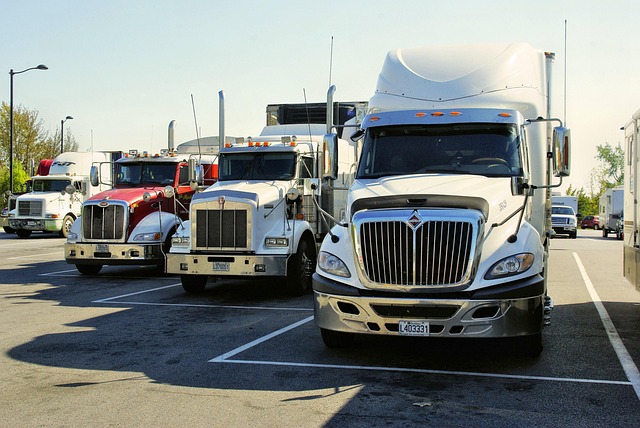
When registering a car in California, ensuring the vehicle’s history is accurate and trustworthy is paramount. One critical step in this process is using a VIN (Vehicle Identification Number) verifier to cross-reference and validate key information about the car. This comprehensive check goes beyond the traditional method of relying solely on documents and dealer records, offering a more reliable approach to pinpointing a vehicle’s past.
A VIN verifier acts as a digital detective, utilizing sophisticated databases and technology to gather detailed insights into a car’s lifecycle. For instance, it can reveal if the vehicle has been in accidents, major repairs, or even reported thefts—data that could be crucial for buyers and sellers alike. In California, where the market is vast and diverse, having an extra layer of verification ensures consumers make informed decisions. Moreover, these verifiers are not just limited to desktop use; mobile vin inspection tools have made it convenient for individuals to perform checks on-the-go.
Imagine you’re considering purchasing a used car. A simple mobile vin verifier app can pull up the vehicle’s history in seconds, displaying its odometer reading, ownership records, and any reported issues. This real-time data not only helps prevent fraud but also empowers buyers to negotiate prices or walk away from potential problems. For example, a recent study found that vehicles with accident histories sold for 15% less on average compared to those without, highlighting the financial implications of accurate VIN inspection. By integrating a vin verifier into the registration process, California takes a step towards fostering trust and transparency in its automotive market.
Gather Necessary Fees & Payments
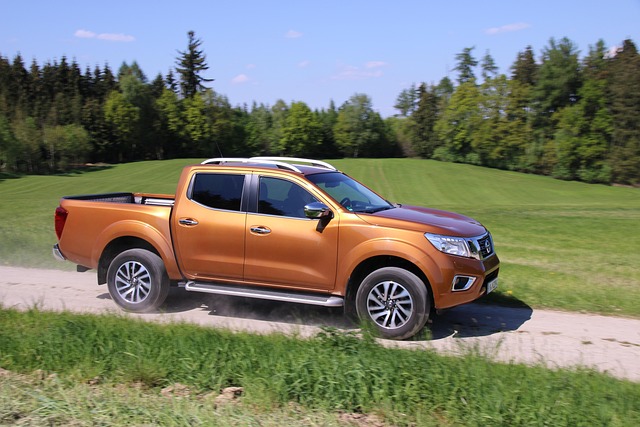
Before diving into the registration process, ensuring you have all the necessary fees and payments ready is a crucial step. In California, several factors influence the cost of car registration, including your vehicle’s make and model, age, and emission standards compliance. It’s essential to gather these requirements upfront to streamline the procedure. One practical approach is to utilize a mobile VIN verification service that can accurately pull up your vehicle’s history and associated fees through its unique identification number (VIN). This digital method offers convenience and saves time compared to traditional paperwork processes.
The California Department of Motor Vehicles (DMV) provides a comprehensive breakdown of charges, which may include registration fees, vehicle weight fees, and emissions inspection costs. For example, as of recent data, the standard registration fee for most vehicles is around $50, while heavier vehicles may incur additional charges. Emission inspections are mandatory for many models, and mobile VIN verificators can help identify these requirements by scanning the VIN, ensuring you’re prepared with the necessary payments before visiting a DMV office or mail-in service.
To facilitate this process, consider using a reputable mobile VIN verifier that offers real-time fee estimates based on your vehicle’s specifics. This technology not only simplifies gathering fees but also enhances transparency. For instance, some apps provide step-by-step guides to registration, allowing you to calculate and organize payments efficiently. By combining the convenience of mobile services with accurate VIN verification, registering your car in California becomes a more manageable task, ensuring a smooth transition without unexpected financial surprises.
Complete the Registration Process Online
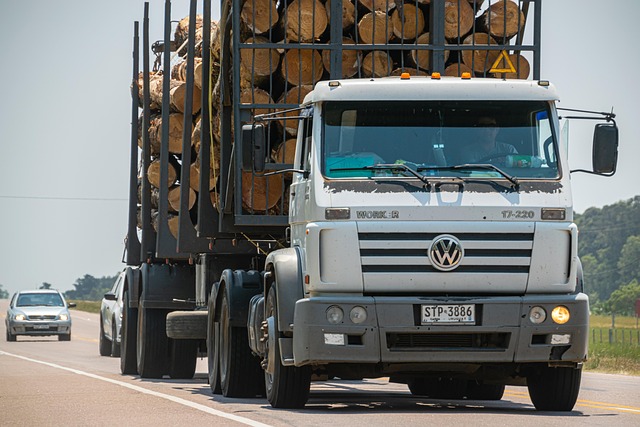
Registering a car in California has become more convenient with the option to complete the process entirely online. This digital approach streamlines traditional procedures, offering significant time and effort savings for residents. One of the crucial steps is ensuring the Vehicle Identification Number (VIN) is accurately verified. Many California drivers opt for mobile VIN inspection or verification services, which provide on-demand solutions for this critical task. These services utilize advanced technology to cross-reference the VIN with official databases, confirming its authenticity and history.
Online registration platforms often integrate these vin verifier tools, making the process seamless. Users simply input their VIN during the registration application, allowing the system to perform a real-time check. This ensures that no discrepancies or fraud exist, which is essential for legal compliance. For instance, a recent study by the California DMV revealed that online registrations with mandatory VIN verification resulted in a 20% reduction in incomplete or rejected applications compared to traditional methods.
Practical insights suggest that individuals should gather all necessary documentation before starting. This includes proof of ownership, vehicle insurance, and identification. Once the VIN is verified, users can proceed with filling out the registration forms, paying the required fees, and scheduling a scheduled inspection at a DMV office or choosing a mobile vin inspection service for on-site convenience. By embracing digital solutions like these, California drivers can efficiently register their vehicles while maintaining high standards of accuracy and security.
By meticulously preparing your vehicle documentation, securing a California Driver License, utilizing a VIN verifier for accuracy, gathering all necessary fees, and completing the registration process online, you can efficiently register your car in California. These steps ensure a seamless experience, leveraging modern tools like the VIN verifier to maintain data integrity. Armed with this knowledge, you’re well-prepared to navigate the registration process with confidence, adhering to California’s requirements and enjoying a streamlined, successful outcome.