

Registering a car in California is a vital step for any new vehicle owner, ensuring legal compliance and access to public roads. However, the process can be cumbersome, with numerous requirements and potential pitfalls. Understanding how to navigate this labyrinthine system is crucial to avoid delays and penalties. This comprehensive guide arms you with the knowledge to streamline the registration process, from gathering essential documents to utilizing reliable tools like the DMV VIN verifier to verify vehicle history and ensure a smooth transaction.
- Prepare Required Documents for Car Registration
- Visit California DMV: Step-by-Step Guide
- Verify Vehicle Identity Using DMV VIN Verifier
- Complete the Registration and Title Application
- Pay Registration Fees and Get Your Plate
Prepare Required Documents for Car Registration

Before you can register your car in California, you’ll need to gather and prepare a crucial set of documents. The process involves verifying your vehicle’s unique identifier—its Vehicle Identification Number (VIN). This step is essential to ensure the car’s history aligns with its current condition and ownership. In California, the Department of Motor Vehicles (DMV) requires a VIN inspection as part of the registration procedure. One effective way to facilitate this process is through the use of a mobile VIN verifier, an application that can perform a digital VIN check right from your smartphone.
To start, obtain your vehicle’s VIN from either the dashboard or engine bay—it’s typically located on a label near the driver’s side door or under the hood. Then, utilize a trusted mobile VIN verification service to cross-reference the number with data from various sources, including state databases and national records. This step is especially important if you’re buying a used car, as it helps confirm the vehicle’s previous ownership history and any reported accidents or damage. For instance, some applications offer real-time vehicle history reports, providing insights into maintenance records, recall notifications, and title details—all of which can be invaluable during registration.
Once your VIN has been verified, you’ll need to gather other essential documents like proof of insurance, a valid driver’s license, and perhaps even previous registration papers. It’s crucial to ensure these are up-to-date and meet the DMV’s requirements. With all this information prepared, you’re ready to visit a California DMV office or utilize their online registration services, making the car registration process significantly smoother and more efficient.
Visit California DMV: Step-by-Step Guide

To register your car in California, the first step is to visit a California DMV (Department of Motor Vehicles) office or utilize their efficient online services. This process involves several key stages, with one critical component being the verification of your vehicle’s unique identifier—the Vehicle Identification Number (VIN). The DMV offers various methods for VIN inspection and verification, including mobile vin inspection options, ensuring a flexible and accessible experience for California residents.
When you visit a DMV office, you’ll need to present specific documents and fees to initiate the registration process. One of the essential tasks during this visit is the official vin inspection, where a DMV representative will cross-reference your vehicle’s VIN with their records to ensure its authenticity and history. This step is vital for maintaining California’s robust vehicle registration system and ensuring road safety standards are met. For instance, the DMV can verify if there are any outstanding recalls or previous accidents associated with the VIN during this inspection.
For those who prefer a more convenient approach, the California DMV provides mobile vin verification services. These options allow you to get your VIN inspected remotely by an authorized agent. This method is particularly useful for individuals who live in areas with limited access to local DMV offices or have busy schedules. The process involves scheduling a mobile inspection appointment and providing proof of ownership and identity during the visit. By combining traditional and modern verification methods, such as mobile vin inspection, California ensures that vehicle registration remains accessible while maintaining rigorous standards.
Verify Vehicle Identity Using DMV VIN Verifier

Verifying your vehicle’s identity is a crucial step in the car registration process in California. One effective method to ensure accuracy is by utilizing the DMV VIN Verifier, an indispensable tool for both individuals and auto dealers. This process involves checking the Vehicle Identification Number (VIN) to confirm the vehicle’s make, model, year, and other essential details. By employing a mobile vin inspection or verifier, you can streamline this verification process, making it convenient and efficient.
The California Department of Motor Vehicles (DMV) offers a dedicated VIN Verifier service that allows you to cross-reference your vehicle’s information with their database. This ensures that the car matches the records on file, significantly reducing the risk of fraud or identity mismatch. For instance, if you’re buying a used car, a mobile vin verification can help you confirm its history and ensure it hasn’t been reported as stolen or had any significant damage, providing peace of mind before finalizing the purchase.
To utilize this service, simply input your VIN into the DMV’s online tool or use their official app, which may include a mobile vin verifier. Within minutes, you’ll receive detailed information about the vehicle, including its current registration status, emissions compliance, and any outstanding issues. This technology not only aids in car registration but also promotes transparency in the automotive industry. By embracing mobile vin inspection methods, both buyers and sellers can navigate California’s car registration process with greater confidence and efficiency.
Complete the Registration and Title Application
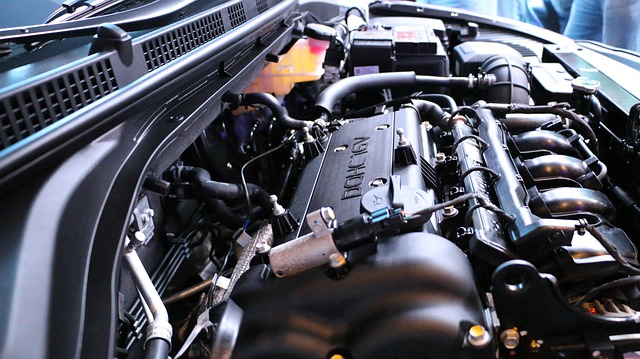
To register your car in California, you’ll need to complete several steps, one of which is submitting a Registration and Title Application (RTA). This form, available from the California Department of Motor Vehicles (DMV), requires accurate information about your vehicle, including its vehicle identification number (VIN). It’s crucial that this VIN is verified for accuracy; any mistakes could delay registration. The DMV offers a variety of ways to do this, with mobile VIN inspection services becoming increasingly popular. These services send a professional to your location to conduct a thorough VIN verification using specialized tools and training, ensuring the information on your RTA is correct from the start.
For instance, many mobile VIN verifiers use advanced technology like barcode scanners or apps that cross-reference the VIN with national databases, providing instant validation. This can save you valuable time compared to traditional methods of visiting a DMV field office or waiting for mail-in verifications. Furthermore, these services are often more convenient for busy individuals who may not have the time to navigate the registration process independently.
When filling out your RTA, be sure to double-check all details against your vehicle’s documentation and any mobile VIN inspection results. Accuracy is key; a single misplaced digit in the VIN can lead to delays or even rejection of your application. Remember, while the process might seem daunting, with the right tools and resources—like a reliable mobile VIN verifier—you can streamline registration and get your California title in hand swiftly.
Pay Registration Fees and Get Your Plate

After completing your California vehicle registration application at the DMV or through their online portal, the next step is to pay the registration fees and secure your license plate. This process involves utilizing a DMV VIN verifier to confirm your vehicle’s identity and ensure it meets all legal standards. A mobile VIN verifier can streamline this process by enabling you to verify your vehicle’s history remotely.
California charges a standard registration fee, which includes a vehicle license fee, emissions testing fee, and other administrative costs. The exact amount will depend on various factors, including your vehicle’s type, age, and fuel efficiency. You can calculate these fees using the DMV’s online tools to get an accurate estimate before proceeding with the registration. Once you’ve paid the fees, either online or at a DMV office, you’ll receive your license plate.
In some cases, especially for older vehicles, a mobile VIN inspection might be required. This service allows a professional inspector to visit your location and perform a thorough check using a mobile VIN verifier. The data from this verification process is then submitted to the DMV, ensuring that your vehicle meets all necessary safety and environmental standards before issuing the registration and plate. Choosing a reputable provider for these services can make the registration process more convenient and reliable.
By following these structured steps, from preparing essential documents to completing the registration process with a successful DMV VIN verifier check, Californians can efficiently register their vehicles. This article equips readers with the knowledge to navigate the car registration process smoothly, ensuring they meet all legal requirements. The key takeaways emphasize the importance of proper documentation, accurate vehicle identification, and timely fee payment for a seamless experience at the California DMV.