

Registering a car in California is a crucial step for any new owner, ensuring legal compliance and access to public roads. However, navigating the process can be cumbersome, with various requirements and steps involved. This article serves as your comprehensive guide, offering expert insights on every facet of car registration in California. From gathering essential documents to understanding fees and, crucially, how to conduct a DMV VIN verification, we demystify each step. By the end, you’ll be equipped to register your vehicle with confidence and ease.
- Gather Required Documents for Car Registration
- Visit Your Local California DMV Office
- Complete the Vehicle Registration Application
- Provide Proof of Insurance and Pay Fees
- Perform DMV VIN Verification for Accurate Records
Gather Required Documents for Car Registration

Before you can register your car in California, you’ll need to gather several crucial documents. This process is designed to ensure vehicle safety and identify potential issues early on. One essential step is the DMV VIN verification, which establishes the vehicle’s identity and history. Start by obtaining your Vehicle Identification Number (VIN) from your car’s registration or title document if available. Then, request a mobile VIN verification service to streamline the process. These services allow for a remote inspection of your vehicle’s history, including checks for outstanding warrants, accident reports, and previous ownership records.
In California, the Department of Motor Vehicles (DMV) requires specific documentation for car registration. This typically includes proof of identification, such as a valid driver’s license or passport, and proof of insurance. Additionally, you’ll need to present the vehicle’s title, if applicable, along with any relevant repair or service records. For older vehicles, a historical vehicle registration or a bill of sale may be required. It’s also beneficial to have recent maintenance documents, as they demonstrate the car’s overall condition.
Mobile VIN inspection services offer several advantages. They provide immediate results, allowing you to address any concerns before heading to the DMV. Moreover, these services are often more convenient and time-saving, especially for those with busy schedules or limited mobility. Many reputable companies offer this service at competitive rates. Always ensure that the provider is licensed and offers accurate, official reports. By combining traditional documentation with a mobile VIN verification process, you can ensure a smoother car registration experience in California.
Visit Your Local California DMV Office

To register your car in California, the first step involves a visit to your local DMV office. This crucial process ensures that your vehicle complies with state regulations before hitting the road. During this visit, you’ll need to provide essential documents and undergo critical procedures such as DMV VIN verification. This step is vital to ensure the accuracy of your vehicle’s information, which is key for safety and legal compliance.
When preparing for this visit, it’s wise to consider utilizing mobile VIN inspection services. These services allow for convenient, on-site checks, ensuring that all data associated with your car—from its make and model to its history—matches the details provided by the vehicle identification number (VIN). Mobile VIN verifiers can significantly streamline the process, saving you time and potential headaches down the line. For instance, some services offer immediate digital reports, making it easier to address any discrepancies promptly.
At your DMV, a knowledgeable agent will guide you through the registration process, which includes a thorough check of your car’s documents and its VIN. This inspection is a standard protocol to prevent fraud and ensure that all registered vehicles meet safety standards. If issues arise, such as discrepancies in the vehicle’s history or mismatched data, don’t fret. Many mobile VIN verifier apps can assist in rectifying these problems by providing accurate, up-to-date information on your car’s past ownership and maintenance records. This technology is a game-changer, revolutionizing how we approach vehicle registration with its convenience, accuracy, and efficiency.
Complete the Vehicle Registration Application

To complete the registration process for your vehicle in California, you’ll need to fill out a Vehicle Registration Application. This form is available through the California Department of Motor Vehicles (DMV) website or at any local DMV office. Ensure that all information provided is accurate and up-to-date. The application requires standard details like your personal information, vehicle description, and ownership status. A crucial element during this stage is to undergo a DMV VIN verification process. This involves providing the Vehicle Identification Number (VIN), which acts as a unique fingerprint for your car, allowing the DMV to cross-reference its records with your vehicle’s specifics.
One practical tip is to use a mobile VIN verifier or conduct a VIN inspection before applying. These tools can help you gather essential data like the VIN, make, model, year, and other specifications. Many mobile apps offer quick and easy VIN checks, making it convenient for drivers to verify their vehicle details in advance. Having this information ready streamlines the registration process, especially when dealing with long lines at the DMV or facing any potential delays. It’s a simple step that can save you time and ensure your application is error-free.
For instance, if you’re importing a classic car, the VIN inspection becomes even more critical as it helps establish the vehicle’s history and authenticity. Accurate documentation is key to avoiding future issues with registration renewals or compliance checks. The DMV may also require additional documents, such as proof of insurance, so ensure you have everything needed before submitting your application.
Provide Proof of Insurance and Pay Fees

Registering a car in California involves several crucial steps, one of which is providing proof of insurance and paying the associated fees. This process ensures that both you and your vehicle are legally covered while on California roads. The first step is to obtain a policy from an insurance company authorized to operate in California. Once you have insurance, you’ll need to present this proof during the registration process. It’s essential to check with your insurer to understand their requirements regarding coverage limits and specific documentation needed.
A crucial component of the registration process is the DMV VIN verification. This involves ensuring that the Vehicle Identification Number (VIN) on your vehicle matches the records held by the California Department of Motor Vehicles (DMV). A mobile VIN verifier can facilitate this process, allowing you to conduct a vin inspection conveniently, often from the comfort of your home or workplace. By utilizing a trusted mobile vin verification service, you streamline the registration process and avoid potential delays caused by on-site inspections.
When paying fees for car registration, it’s important to be prepared with all necessary documents. The California DMV outlines specific requirements and fee structures based on factors like vehicle type, age, and emission standards. Understanding these fees in advance can help prevent unexpected costs. Some counties in California offer online registration services, making payment and documentation submission more efficient. However, always verify the accepted forms of payment and required documentation with your local DMV to ensure a smooth registration experience.
Perform DMV VIN Verification for Accurate Records
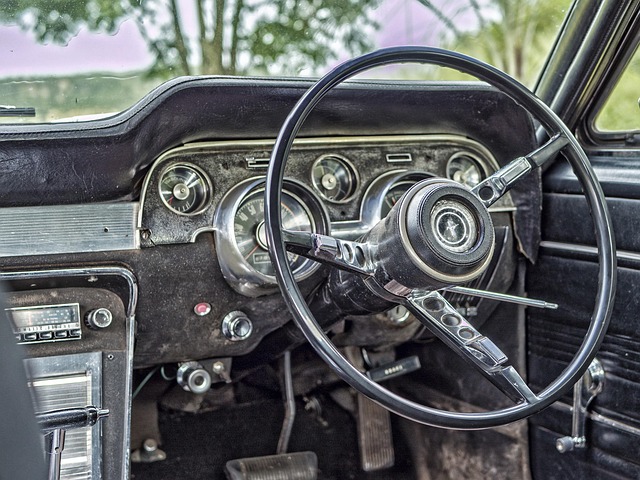
Registering a car in California involves several crucial steps to ensure accurate record-keeping and compliance with state regulations. One of these essential processes is DMV VIN verification, which serves as a critical checkpoint in the registration process. The Department of Motor Vehicles (DMV) utilizes Vehicle Identification Numbers (VINs) to verify vehicle details, ownership history, and safety standards, ensuring that each registered car is accurate and legitimate.
Performing DMV VIN verification is a straightforward yet vital procedure. It involves comparing the provided VIN with the manufacturer’s records to confirm the vehicle’s identity and specifications. This process helps prevent fraud and ensures that cars on California roads meet all necessary criteria. For instance, the DMV can cross-reference the VIN against its database to check for any outstanding recalls, previous accidents, or reported thefts, providing an added layer of safety for both drivers and authorities. By employing mobile vin verification tools, individuals can facilitate this process even further, as mobile vin verifiers offer a convenient and efficient way to conduct inspections without the need for physical visits to DMV offices.
To ensure a smooth experience, it’s advisable to have accurate and up-to-date information about your vehicle ready. This includes the VIN itself, which is typically found on the vehicle’s registration documents or on the dashboard near the driver’s seat. Using mobile vin inspection apps can streamline this process, allowing users to quickly and accurately capture and submit their VIN for verification. By integrating these modern tools into the traditional DMV procedures, California drivers can efficiently navigate the registration process while maintaining accurate records.
Registering a car in California involves several key steps, from gathering essential documents to completing applications and providing proof of insurance. Among these, DMV VIN verification stands out as a crucial process for maintaining accurate vehicle records. By visiting your local California DMV office, you initiate the registration process, ensuring all required information is correctly inputted. Completing the vehicle registration application and paying associated fees are critical to legally operate your car. Ultimately, this comprehensive guide equips readers with the knowledge to navigate the car registration process smoothly and efficiently.