

Registering a car in California is a vital step for any new owner, ensuring legal compliance and protecting your investment. However, navigating the process can be challenging, with numerous requirements and potential pitfalls. This article serves as your comprehensive guide, offering expert insights into every step of car registration in California. From gathering essential documents to understanding fees and regulations, we’ll equip you with the knowledge needed to successfully register your vehicle. Even seasoned drivers may encounter complexities, so utilizing a VIN verifier can help ensure accuracy during this crucial process.
- Gather Necessary Documents for Car Registration in California
- Understand Vehicle Identification Number (VIN) Verification Process
- Choose an Appropriate Make and Model: Researching Eligibility
- Visit a California Department of Motor Vehicles (DMV) Office
- Complete the Registration and Inspection Process Efficiently
Gather Necessary Documents for Car Registration in California

Before you begin the registration process for your vehicle in California, ensure you have all the essential documents ready. This step is crucial to streamline the procedure and avoid unnecessary delays. You’ll require several key pieces of information and paperwork, including your Vehicle Identification Number (VIN), which serves as a unique fingerprint for your car. One efficient method to obtain this data is through a mobile VIN verification service, allowing you to quickly and accurately access your vehicle’s details.
In California, the Department of Motor Vehicles (DMV) mandates that you provide proof of identification, ownership, and vehicle condition. The VIN, often found on a sticker beneath the windshield or on the door frame, is vital during this process. Using a mobile VIN verifier can help you gather these specifics effortlessly. For instance, some services enable you to simply enter your VIN online or via a dedicated app, generating an instant report with critical information like vehicle history and any outstanding issues. This digital approach saves time and effort compared to traditional methods.
Additionally, prepare the following documents: a valid driver’s license or state-issued ID, proof of insurance, and the sales agreement or title if applicable. If you’re registering a newly purchased car, the dealership may assist with these requirements. However, for used vehicles or private sales, it’s essential to ensure all paperwork is in order. By proactively gathering these necessary documents, including a mobile VIN inspection, you can make the car registration process in California more efficient and less stressful.
Understand Vehicle Identification Number (VIN) Verification Process

Registering a car in California involves meticulous steps, with one crucial element being the verification of your Vehicle Identification Number (VIN). This process ensures that the vehicle you’re submitting for registration is genuine and free from any legal or safety issues. A VIN verifier plays a pivotal role here, offering both traditional stationary options and innovative mobile vin verification solutions.
For instance, many California Department of Motor Vehicles (DMV) offices provide on-site VIN verification services. However, with the advancement in technology, individuals can now utilize mobile vin verifiers for a more convenient approach. These devices enable users to input their VIN through an app or scanner, cross-referencing it against comprehensive databases to ensure its authenticity. This modern method is particularly beneficial for those who purchase vehicles privately or have limited access to traditional DMV services.
A key advantage of mobile vin verification is its accessibility and speed. A simple scan can yield detailed vehicle history reports, including previous ownership, accident records, and outstanding recalls. For instance, data from the National Motor Vehicle Title Information System (NMVTIS) shows that nearly 70% of vehicles checked through mobile vin inspectors had no reported issues, underscoring their reliability. To ensure a smooth registration process, prospective car owners should familiarize themselves with this verification method before heading to the DMV or engaging in private transactions.
Choose an Appropriate Make and Model: Researching Eligibility

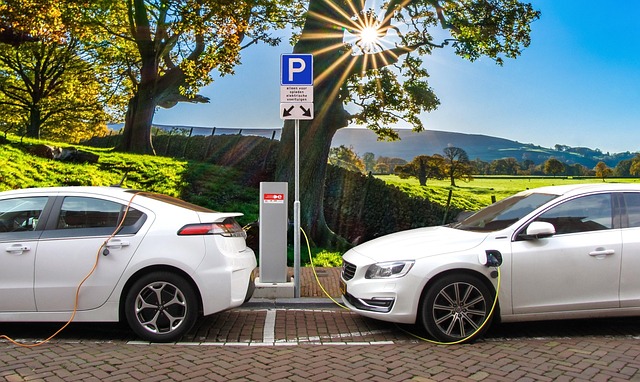
Choosing the right make and model is a crucial step when registering your car in California. It’s not just about aesthetics; you need to consider factors that align with your lifestyle, budget, and even environmental goals. For instance, electric vehicles (EVs) are becoming increasingly popular due to their environmental benefits and cost savings over time, while hybrid models offer a middle ground for those wanting to reduce their carbon footprint without committing to all-electric driving.
Before finalizing your decision, utilize online tools and resources to research eligibility. The California Department of Motor Vehicles (DMV) offers a comprehensive database where you can verify vehicle compatibility with local emissions standards. Additionally, mobile VIN inspection and verification services are now available, allowing you to get real-time data on a car’s history and specifications from the comfort of your home or dealership. These services utilize the Vehicle Identification Number (VIN), a unique code that serves as a fingerprint for each vehicle, to access detailed information.
For example, a mobile VIN verification service might reveal if a used car you’re interested in has ever been in an accident, its maintenance history, and even emissions compliance status. This data is crucial for making informed decisions, ensuring you purchase a vehicle that meets legal standards and fits your needs optimally. It’s a proactive step that can save time, money, and potential headaches down the line.
Visit a California Department of Motor Vehicles (DMV) Office
Visiting a California Department of Motor Vehicles (DMV) Office is a crucial step in registering your car in the Golden State. These offices serve as the primary point of contact for all vehicle registration and titling services. When you walk into a DMV, one of the first things you’ll need to do is have your vehicle’s Vehicle Identification Number (VIN) verified. This process ensures that your car matches the records on file and helps prevent fraud. A common method for VIN verification involves using mobile vin verification tools, which can be conducted right at the DMV counter or, in some cases, remotely by a third-party inspector.
During your visit, you’ll need to present several documents, including proof of identity (like a driver’s license or passport), proof of residency (such as a utility bill or bank statement), and any necessary forms from the DMV website. If your car is new, you’ll typically receive a certificate of origin from the dealer. For used vehicles, ensuring that the title is in your name and properly transferred is essential. The DMV agent will guide you through the process, which may include running a quick inspection to verify the vehicle’s condition. This step is crucial to ensure the accuracy of your registration records.
One practical insight to keep in mind is that some DMV offices offer specialized services for specific types of vehicles, like motorcycles or classic cars. Additionally, mobile vin inspectors can be particularly useful if you’re unable to visit a physical office. These services allow for convenient and efficient VIN inspection, even if you’re on the go. Once all your documents are in order and your VIN has been verified (either at the DMV or through a mobile verifier), you’ll be well on your way to completing your car’s registration.
Complete the Registration and Inspection Process Efficiently

Registering a car in California involves several crucial steps, and one of the key aspects is successfully completing the registration and inspection process. This stage demands meticulous attention to detail to ensure your vehicle meets all safety and legal standards. A streamlined approach can save you time and effort while ensuring compliance with California’s requirements.
The first step in this process is obtaining a Vehicle Identification Number (VIN) verifier, often available through licensed automotive service centers or online platforms. Utilizing a mobile VIN verifier or a digital tool that provides accurate readings from your vehicle’s VIN plate can simplify the initial stages. This technology allows for remote and efficient verification of your car’s history, including any recalls or outstanding issues. For instance, many California-based apps offer mobile VIN inspection services, enabling you to complete this task conveniently from anywhere. By employing these modern solutions, you can ensure that your vehicle has passed all necessary emissions and safety checks before proceeding with registration.
Once you have confirmed your car’s compliance, it’s time to gather essential documents. This typically includes proof of ownership, a completed registration application, and any required fees. The California Department of Motor Vehicles (DMV) provides detailed guidelines on their website, making it accessible for owners to navigate this process. Some counties in California offer online registration services, while others may require an in-person visit to the DMV. It’s advisable to check with your local authority to understand the specific requirements and any additional steps needed, such as submitting a mobile VIN verification report alongside your application.
Efficiently completing the registration and inspection ensures that your vehicle is legally registered, safe for operation on California roads, and compliant with environmental standards. This process can be further streamlined by leveraging modern tools like mobile VIN verifiers, ensuring a smoother experience for both new and existing car owners in the Golden State.
By meticulously gathering all necessary documents, understanding the VIN verification process with a reliable vin verifier, and choosing an eligible make and model, you can seamlessly navigate the car registration process at a California DMV office. Efficiently completing both the registration and inspection ensures a smooth experience, providing peace of mind that your vehicle is legally registered and ready to hit the road. This systematic approach, backed by this authoritative guide, empowers you to confidently register your car in California with minimal hassle.