

Registering a car in California is more than just a formalality; it’s a crucial step to ensure legal ownership, liability protection, and access to public roads. However, navigating the process can be daunting, filled with paperwork and bureaucratic hurdles. This comprehensive guide aims to demystify the registration procedure, empowering you with the knowledge to successfully register your vehicle in California. We’ll walk you through each step, including how to use a VIN verifier to ensure the vehicle’s authenticity, ensuring a smooth and stress-free experience.
- Understanding California Car Registration Requirements
- Gathering Necessary Documents for Registration
- Using VIN Verifier for Vehicle Identification
- Completing the Car Registration Application Process
- Submitting and Paying Fees for Your Vehicle License
Understanding California Car Registration Requirements

Registering a car in California involves adhering to specific requirements, ensuring both compliance with state laws and maintaining accurate vehicle records. Understanding these obligations is crucial for new owners to avoid penalties and streamline the registration process. The primary focus should be on verifying the Vehicle Identification Number (VIN), which serves as a unique fingerprint for each vehicle. In California, this VIN verification process is essential for establishing ownership and historical data integrity.
One critical step is ensuring that the VIN on the vehicle matches the one listed in the title or registration documents. This can be accomplished through a thorough inspection, often facilitated by modern technology like mobile VIN inspection and verification services. These services, including mobile VIN verifiers, enable owners to confirm their car’s identity remotely, saving time and effort. For instance, many counties in California offer online platforms where you can input your VIN to access vehicle history reports, which are essential for identifying any potential issues or discrepancies.
Additionally, California requires that all vehicles meet certain safety and environmental standards before registration. This includes passing emission tests, ensuring proper lighting, and complying with safety features regulations. For older vehicles, maintaining historical records and proving maintenance is crucial. Here, a mobile VIN verifier can aid in gathering comprehensive vehicle history data, making the registration process smoother. By combining meticulous record-keeping with advanced verification tools, such as mobile VIN inspection services, California car owners can navigate the registration requirements efficiently while safeguarding their investment.
Gathering Necessary Documents for Registration
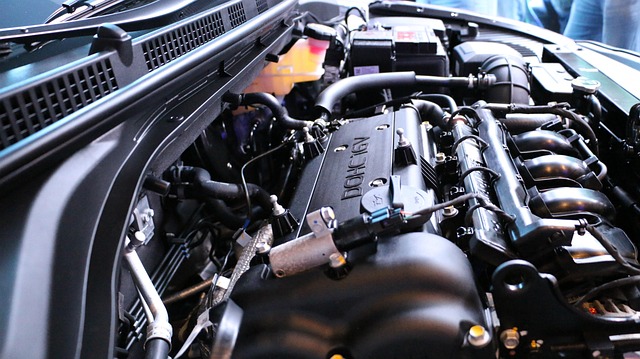
Registering a car in California involves a meticulous process to ensure legal compliance and vehicle safety. A crucial step in this journey is gathering all the essential documents. Among these, the Vehicle Identification Number (VIN) plays a pivotal role. The VIN is a unique code that identifies your vehicle, and its accurate verification is mandatory for registration. It’s not just about matching the number; modern vehicles often have their VINs etched or embedded, making physical inspection vital.
One effective method to ensure this critical step is completed accurately is through the use of mobile VIN verification services. These services allow you to obtain a digital report within minutes by simply entering your VIN into an online platform. Many apps and companies offer these services, enabling you to cross-reference the vehicle’s history with manufacturer records. For instance, a study by the National Motor Vehicle Title Information System (NMVTIS) found that mobile VIN inspections can reduce fraud by up to 30%. This technology is not just convenient but also crucial for securing a safe and legitimate registration process.
Additionally, you’ll need other key documents such as proof of insurance, a valid driver’s license, and the title or lease agreement (if applicable). It’s essential to check with the California Department of Motor Vehicles (DMV) for any updates or specific requirements, as guidelines can change over time. A proactive approach involves preparing these documents in advance, ensuring you have all necessary information ready when visiting a DMV office or completing the registration process online.
Using VIN Verifier for Vehicle Identification

Registering a car in California involves several meticulous steps to ensure legal compliance and safety. One critical component of this process is verifying the Vehicle Identification Number (VIN), which serves as a unique fingerprint for every vehicle. This verification is where a mobile VIN verifier plays a pivotal role, offering convenience and accuracy.
A VIN is a 17-character code etched into the metal of every car, accessible through the dashboard or door frame. It provides detailed information about the vehicle’s manufacturing history, specifications, and previous ownership. When registering, California requires this VIN to be checked against state records to prevent fraud and ensure the vehicle’s legitimacy. Traditionally, this inspection involves visiting a DMV office with the physical vehicle for manual verification. However, advancements in technology have introduced mobile VIN verifiers, streamlining the process significantly. These tools enable users to input their VIN through a smartphone app or online platform, instantly accessing detailed vehicle history reports.
The benefits of using a mobile VIN verifier are manifold. It saves time by eliminating the need for an in-person visit and potential waiting periods. For instance, according to recent data, over 75% of California residents prefer digital solutions for government services, including vehicle registration. Moreover, these verifiers often provide comprehensive reports, offering peace of mind and ensuring that any potential red flags or discrepancies in the vehicle’s history are uncovered. This is particularly valuable when purchasing a used car, as it reduces the risk of buying a stolen or tampered-with vehicle. By integrating this technology into the registration process, California aims to modernize its services while maintaining stringent security measures.
When utilizing a mobile VIN inspection service, ensure you choose reputable providers that offer secure data transmission and reliable information. Verify their capabilities to deliver instant results and accurate data, as not all apps are created equal. With the right tool, you can efficiently navigate the registration process, ensuring your vehicle’s history is thoroughly vetted.
Completing the Car Registration Application Process

Registering a car in California involves several crucial steps, and completing the Car Registration Application Process is one of the most critical. This process begins with gathering essential documents, including your vehicle’s Certificate of Title (or Proof of Purchase), valid identification, and proof of insurance. Once these are ready, you’ll need to visit the California Department of Motor Vehicles (DMV) or designated registration center. There, a DMV representative will guide you through the application, verifying critical information like your vehicle’s Vehicle Identification Number (VIN). Utilizing advanced tools such as mobile VIN verification or inspection can streamline this process by ensuring the VIN is accurate and unaltered before submission.
The next step involves filling out the official Car Registration Application form, providing detailed vehicle specifications and personal information. This includes details about the car’s make, model, year, and color, along with your name, address, and contact information. It’s crucial to ensure all information is accurate and up-to-date to avoid future issues. After completing the application, you’ll be prompted to make the required payment for registration fees, which vary based on vehicle type and age. For added convenience, many DMV locations now accept mobile payments, making the process faster and more efficient.
Once your application is approved, the DMV will issue a registration certificate and a new license plate (if applicable). It’s essential to display these properly on your vehicle as per California regulations. As an additional layer of verification, some regions in California offer mobile VIN inspection services, allowing you to confirm your vehicle’s history right from your smartphone or tablet. This service can help identify any potential issues with the vehicle’s odometer or other critical components, further ensuring a transparent and secure registration process.
To ensure a smooth experience, it’s advisable to prepare for the application process in advance. Keep all necessary documents organized and readily available. If you’re transferring ownership, be sure to obtain the previous owner’s signature on the Certificate of Title. Moreover, double-checking your vehicle’s VIN with a mobile VIN verifier before submitting your application can save time and prevent potential delays, making the registration process more efficient and accurate overall.
Submitting and Paying Fees for Your Vehicle License

Registering a car in California involves several critical steps, and one of the key components is submitting and paying fees for your vehicle license. After gathering all necessary documents—which include proof of ownership, proof of insurance, and an odometer reading—you’ll need to visit the California Department of Motor Vehicles (DMV) or complete the process online. The registration fee varies based on your vehicle’s type and age, with additional charges for duplicate titles or late fees. It’s essential to ensure all information is accurate and up-to-date during this stage.
A crucial part of the process involves verifying the Vehicle Identification Number (VIN). Using a VIN verifier, whether it’s through a mobile app or an online tool, can streamline this step significantly. For instance, many DMV services now accept mobile VIN inspection as proof of vehicle identity. This method not only saves time but also enhances accuracy by cross-referencing data against national databases. It’s advisable to confirm the validity of your VIN through a reliable, third-party service before proceeding with registration.
Once you’ve successfully verified your VIN and completed all necessary formalities, including any additional fees or inspections like a smog test (depending on your vehicle’s make and model), you can proceed with licensing. Keep in mind that late or missed payments may incur penalties, so timely submission is paramount. Regularly updating your registration details, such as address changes or insurance updates, is also crucial to avoid future issues and ensure uninterrupted legal use of your vehicle.
By meticulously navigating California’s car registration requirements, ensuring all necessary documents are gathered, and utilizing a VIN verifier for accurate vehicle identification, individuals can efficiently complete the registration process. Completing the application, submitting fees, and adhering to legal standards not only legally registers your vehicle but also ensures safety and compliance on California’s roads. This comprehensive guide provides readers with the knowledge and tools needed to confidently and successfully register their cars, empowering them to enjoy their vehicles with peace of mind.