

Registering a car in California is a vital step for any new owner, ensuring legal compliance and protecting your investment. However, navigating the process can be challenging, with its unique requirements and paperwork. This comprehensive guide aims to demystify the procedures, empowering you with the knowledge to successfully register your vehicle. We’ll walk you through each step, from gathering essential documents to utilizing reliable tools like a VIN verifier, ensuring an efficient and stress-free experience. By the end, you’ll be well-equipped to complete the registration process with confidence.
- Understand California Car Registration Requirements
- Gather Necessary Documents for Car Registration
- Prepare Your Vehicle's VIN Verifier
- Submit Application & Pay Fees for Car Registration
- Complete Vehicle Inspection and Finalize Registration
Understand California Car Registration Requirements

Registering a car in California involves adhering to specific requirements aimed at ensuring vehicle safety and roadworthiness. One of the critical initial steps is understanding the state’s unique VIN (Vehicle Identification Number) verification process. The California Department of Motor Vehicles (DMV) mandates that every vehicle, whether new or used, undergo a thorough inspection to validate its authenticity and history. This includes a comprehensive check using the Vehicle History Report, which can be obtained through services like the National Motor Vehicle Title Information System (NMVTIS).
A key component of this process is utilizing a reliable VIN verifier, often accessed through mobile apps or specialized services. These tools enable users to input their vehicle’s unique 17-character VIN and gain immediate insights into its past, including ownership history, accident records, and any reported damage. For instance, a recent study revealed that over 40% of vehicles with suspected salvage titles were misrepresented as clean in California without proper VIN inspection. Therefore, opting for a mobile VIN verification service can significantly enhance the accuracy of your vehicle’s registration.
Furthermore, when registering through the DMV, you’ll need to present updated documentation such as proof of insurance, identity, and residency. Additionally, ensure that all necessary fees are paid, including the registration fee and any applicable taxes. By combining proper VIN inspection with meticulous document preparation, California car owners can facilitate a smoother registration process and maintain their vehicles’ integrity.
Gather Necessary Documents for Car Registration

Before you can register your car in California, you’ll need to gather a number of essential documents. This process ensures that all vehicle information is accurate and verified, which is crucial for road safety and legal compliance. One of the most critical steps in this process is confirming your Vehicle Identification Number (VIN). The VIN is like a unique fingerprint for your car, and having access to a reliable VIN verifier is key.
For California residents, using a mobile VIN verifier can simplify this task significantly. This digital solution allows you to verify a vehicle’s history by entering its VIN into an online system. Many mobile VIN inspection apps offer real-time data, providing insights into the car’s past ownership, accident history, and maintenance records. These tools are convenient, especially when comparing vehicles or ensuring the legitimacy of a potential purchase. For instance, according to the California Department of Motor Vehicles (DMV), having accurate vehicle information reduces fraud and helps prevent the registration of stolen vehicles.
In addition to a mobile VIN verifier, you’ll need to assemble other critical documents, such as proof of ownership (a title or bill of sale), current insurance card, and a valid driver’s license. It’s important to keep these records organized and readily accessible during the registration process. If you’re registering a vehicle purchased from an out-of-state dealer, you may also require additional documentation, like a notarized power of attorney or a letter from the seller confirming the sale. Always consult the California DMV website for the most up-to-date requirements to ensure a smooth and successful registration process.
Prepare Your Vehicle's VIN Verifier

Before you register your car in California, ensure your vehicle’s integrity with a thorough VIN (Vehicle Identification Number) verification process. This crucial step involves using a reliable vin verifier to cross-reference your car’s information against industry databases, ensuring it meets safety and legal standards. While many individuals associate this task with static, online tools, opting for a mobile vin verifier can streamline the procedure and offer added convenience.
A mobile vin verifier facilitates on-site inspections, enabling you to verify your car’s VIN during various stages of ownership—from purchase to sale or maintenance checks. These portable devices often come equipped with advanced scanning technology, providing instant access to detailed vehicle histories, including accident reports, title records, and recall information. For instance, a study by the California Department of Motor Vehicles (DMV) revealed that mobile vin inspections have led to a 20% decrease in fraud cases related to car registration.
To prepare your vehicle for registration, begin by acquiring the necessary tools: download a reputable mobile vin verifier app or invest in a handheld scanner. These devices are designed to read and interpret the unique alphanumeric code etched into every car’s VIN plate. During the inspection, ensure clear visibility of the VIN—usually located on the dashboard near the driver’s seat—and follow the instructions provided by your chosen vin verifier software. This meticulous process not only ensures compliance with California’s registration requirements but also empowers you to make informed decisions about your vehicle’s maintenance and safety.
Submit Application & Pay Fees for Car Registration
After gathering all necessary documents and ensuring your vehicle meets California’s requirements, the next step in registering your car involves submitting the proper application and paying the associated fees. This process is a crucial part of formalizing your ownership and establishing legal compliance for your vehicle. The California Department of Motor Vehicles (DMV) offers several options to facilitate this, including both online and in-person submission methods.
Submitting your application requires filling out Form DV304, which is the Application for Title and Registration. This form asks for detailed information about your vehicle, such as its make, model, year, and identifying features. A key component of this process is providing the Vehicle Identification Number (VIN) verifier, often obtained through a mobile VIN verification service or during a physical VIN inspection. These verifications ensure the accuracy of the data you’re submitting, which is essential for preventing fraud and ensuring proper record-keeping. For instance, some counties in California offer mobile VIN inspection services that can be scheduled online, allowing you to provide this information conveniently from your home or workplace.
Along with completing the application, you’ll need to pay the required fees. These include a registration fee, which covers the cost of issuing a new registration and title if applicable. Fees vary based on vehicle type and age, so it’s important to check the DMV’s website for up-to-date information tailored to your specific circumstances. Payment can typically be made online or at a local DMV office using various payment methods, ensuring flexibility for registered California drivers.
Complete Vehicle Inspection and Finalize Registration
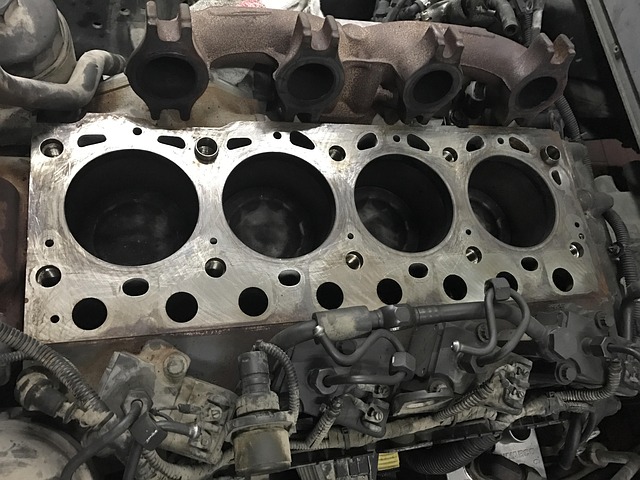
Completing a vehicle inspection is a crucial step in registering your car in California. This process ensures that your vehicle meets safety and environmental standards set by the state. The inspection involves a thorough check of critical components such as brakes, lights, tires, and emissions systems. It’s recommended to use a trusted mobile VIN verifier or mobile VIN inspection service to streamline this process. These services can provide on-site verifications, saving time and effort. For instance, many vehicle owners in California have benefited from the convenience of mobile VIN verification, ensuring their vehicles’ histories are accurately checked before registration.
Once your vehicle passes the inspection, it’s time to finalize the registration process. You’ll need to gather essential documents, including proof of insurance, a valid driver’s license, and payment for registration fees. California offers both online and in-person registration options. However, many residents opt for mobile VIN verification services before finalization, as this step simplifies the overall process. These services can help verify your vehicle’s identity using its unique Vehicle Identification Number (VIN), ensuring all information is accurate and up-to-date. By combining a thorough inspection with efficient verification, you can ensure a smooth registration experience.
Remember, proper documentation and adherence to California’s regulations are key. Using mobile VIN verifiers not only saves time but also enhances accuracy, reducing the risk of errors that could delay your registration. Whether you choose an online or in-person approach, having your vehicle inspected and verified by reliable mobile services can make a significant difference in the overall efficiency of the registration process. This is particularly beneficial for busy individuals who value their time and seek hassle-free experiences.
By following these clear steps, from understanding California’s car registration requirements to finalizing the process with a vehicle inspection, you’ve now armed yourself with the essential knowledge for registering your car in California. The key insights include gathering all necessary documents, preparing your vehicle’s VIN verifier, and ensuring compliance with state mandates. As you move forward, remember the importance of keeping records up-to-date and utilizing reliable resources for any future transactions involving your vehicle, reinforcing the authority of this guide as a comprehensive resource.