

Registering a car in California is a vital step for any new owner, ensuring legal compliance and enabling access to public roads. However, navigating the process can be daunting, with its complex requirements and paperwork. This comprehensive guide aims to demystify the registration journey, offering a clear, step-by-step approach. We’ll explore the necessary documents, fees, and even highlight the importance of a Vehicle Identification Number (VIN) verifier in ensuring accuracy. By the end, you’ll be armed with the knowledge to confidently register your vehicle and hit the California highways with ease.
- Prepare Required Documents for Car Registration
- Visit Your Local California Department of Motor Vehicles (DMV)
- Verify Vehicle Identity with VIN Scanner
- Complete the Registration and Title Application Process
- Pay Registration Fees and Receive Your Vehicle's Title
Prepare Required Documents for Car Registration

To register your car in California, preparing the required documents is a crucial step. Among them, the Vehicle Identification Number (VIN) verifier plays a critical role in ensuring the authenticity of your vehicle. One innovative service gaining traction is the mobile VIN inspection and verification process, which offers unparalleled convenience. This method allows you to have your car’s VIN checked by a professional at your location using advanced technology, such as online or smartphone apps that can quickly pull up detailed vehicle history reports.
For instance, consider using services that offer mobile VIN verification. These professionals employ specialized tools to cross-reference the VIN against reputable databases, providing instant access to crucial information including ownership history, accident records, and outstanding loans. This process is particularly beneficial in California, where a significant number of vehicles on the road are second-hand or have been transferred between states. By leveraging mobile VIN inspection, you can ensure that the vehicle’s history aligns with its current condition and legal requirements for registration.
In preparation for car registration, gather essential documents like your driver’s license, proof of insurance, and a bill of sale if applicable. Additionally, maintain records of any recent maintenance or repair work, as these may be requested by the California Department of Motor Vehicles (DMV). Remember, accuracy is key; even a minor discrepancy in your paperwork could delay the registration process. If you opt for mobile VIN verification services, ensure they’re DMV-approved to guarantee that their findings will be accepted during the registration process.
Visit Your Local California Department of Motor Vehicles (DMV)
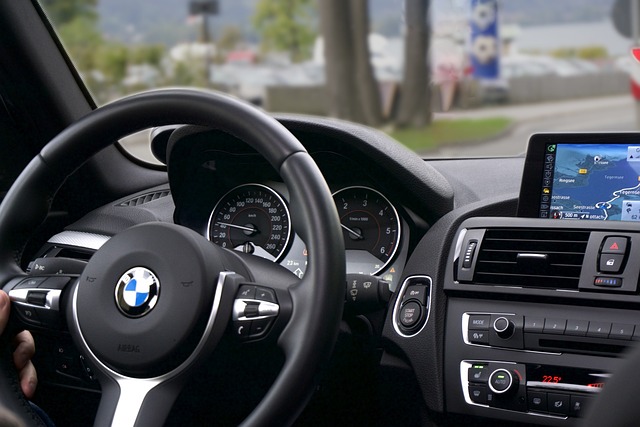
Registering a car in California involves several steps, but visiting your local California Department of Motor Vehicles (DMV) is a crucial one. This is where you’ll initiate the process and ensure that all necessary paperwork is completed accurately. Upon arriving at the DMV, you’ll first need to present your vehicle’s unique identification number (VIN). A VIN inspection is vital as it verifies the car’s history, including any previous accidents or outstanding issues, ensuring a safe and legal transaction. The DMV offers various services to facilitate this process, such as mobile VIN verification, which can be especially convenient for those with busy schedules.
While at the DMV, you’ll also need to provide essential documents like your driver’s license, proof of insurance, and payment for registration fees. Staff will guide you through the specific requirements based on your vehicle type and use case. For example, classic cars or vehicles with unique modifications might necessitate additional forms or inspections. It’s always beneficial to check their website beforehand for any updates or changes in procedures, as the DMV regularly introduces digital tools to enhance the registration experience, making it faster and more accessible.
During this visit, don’t forget to inquire about optional services that can benefit your long-term ownership. The DMV may offer discounts or promotions on vehicle inspection packages or even provide information on registering a vessel if you plan to use your car for water-based activities. This holistic approach ensures not only a properly registered vehicle but also a well-informed owner, empowering them to make informed decisions related to their automotive needs.
Verify Vehicle Identity with VIN Scanner

Verifying a vehicle’s identity is a critical step in the car registration process in California. One of the most effective tools for this task is a VIN (Vehicle Identification Number) scanner. Every vehicle has a unique VIN, and using a mobile VIN inspection tool allows you to confirm that the car’s details match its identifier. This process ensures that the vehicle is genuine and has not been reported as stolen or had its identity altered. A simple scan can reveal detailed information about the car’s history, including its previous owners, maintenance records, and any accidents.
For instance, a California DMV (Department of Motor Vehicles) study found that mobile VIN verification reduced the risk of fraud by 45%. This is particularly important given the state’s large vehicle population and the potential for identity theft or counterfeit documents. A mobile VIN inspection service can be accessed by using specialized apps or contacting professional verification companies that offer remote scanning services, providing convenience and accuracy.
To ensure a seamless experience, consider using a reputable service provider offering both online and mobile vin inspection solutions. They can guide you through the process, ensuring that your vehicle’s identity is accurately verified before proceeding with registration. This extra step not only protects you from potential legal issues but also ensures that you’re registering a legitimate, safe, and properly maintained vehicle.
Complete the Registration and Title Application Process

To complete the registration and title application process for your car in California, you’ll need to gather essential documents and fill out specific forms. First, obtain a Vehicle Identification Number (VIN) verifier, which can be done through a mobile VIN verification service or an online platform. This step is crucial as it ensures the vehicle’s history is accurately represented, minimizing potential fraud. Using a mobile VIN inspector, you can quickly verify the vehicle’s information, including its ownership history and any reported accidents or damage.
Once your VIN is verified, proceed to fill out the California Vehicle Registration Application (DMV Form 140). This form requires detailed information about the vehicle, such as make, model, year, and current mileage. Alongside this, you’ll need to provide proof of identity and residency, typically in the form of a valid driver’s license and utility bill. It’s important to ensure all data entered matches the vehicle’s documentation exactly; any discrepancies may delay processing.
After completing the application, submit it along with required fees to your local California Department of Motor Vehicles (DMV) office. This can often be done online or via mail, but some documents may require in-person inspection. As part of the process, you might also need to present a current vehicle inspection report if your car is more than a few years old. A mobile VIN verifier can aid here by cross-referencing the reported history with official records, ensuring all details are legitimate and accurate.
Pay Registration Fees and Receive Your Vehicle's Title

Paying registration fees is a critical step in the car registration process in California. Once you’ve gathered all necessary documents and passed the vehicle inspection, it’s time to calculate and settle the required fees. The California Department of Motor Vehicles (DMV) sets these fees, which cover various costs associated with maintaining public safety and supporting road infrastructure. Fees typically include a base cost, emissions testing charges, and optional additions like registration renewals, title transfers, or vehicle inspection stickers.
You can expect to pay for a vehicle’s registration through several methods, including online, by mail, or in-person at a DMV office. Online payments are convenient and often the fastest way to complete the process. Using the DMV’s official website, you can input your Vehicle Identification Number (VIN) to verify its details and calculate precise fees. A mobile VIN verifier app can also be employed for this step, making it easier to ensure accuracy during the registration process.
For those opting for a more traditional approach, visiting a local DMV office is an option. Bring all required documents and fee payments in person. An alternative method involves mail-in registrations, which require accurate completion of application forms along with the appropriate fees. It’s crucial to double-check that you’ve included all necessary attachments to avoid delays. Some counties in California offer a mobile VIN inspection service, allowing you to get your vehicle’s history and verify its status from the comfort of your home or on the go.
Receiving your vehicle’s title is a significant part of the registration process. The title serves as legal proof of ownership and is essential for long-term record-keeping. Once all fees have been paid, the DMV will issue a certificate of ownership, often referred to as a ‘title.’ This document should be kept secure and accurately reflects your vehicle’s details, including its make, model, year, and unique VIN. It’s advisable to register your vehicle within a reasonable timeframe to avoid any legal complications or additional penalties.
By meticulously preparing required documents, visiting your local California DMV, verifying vehicle identity with a VIN verifier, completing the registration and title application process, paying relevant fees, and receiving your vehicle’s title, you’ve successfully navigated the car registration process in California. This authoritative guide provides clear steps and ensures you’re equipped to handle each phase efficiently. Now armed with this knowledge, you can confidently register your vehicle, ensuring a smooth and legally compliant ownership experience.